
Minecraft Created a Cult: The Journey of a Blocky Phenomenon
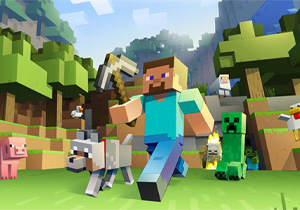 The Genesis of Minecraft
A Humble Beginning
"Minecraft" was conceived by Markus "Notch" Persson, a Swedish game developer who started working on the project in his spare time. Inspired by games like "Infiniminer," "Dwarf Fortress," and "Dungeon Keeper," Notch aimed to create a sandbox game that allowed players to build and explore freely. The first version of "Minecraft" was released to the public on May 17, 2009, as an alpha version. Despite its rudimentary graphics and simple mechanics, the game quickly gained a dedicated following.
From Alpha to Beta
As Notch continued to develop "Minecraft," the game underwent significant updates and improvements. The alpha version introduced fundamental mechanics such as mining, crafting, and building, while the beta version, released in December 2010, added new features like the Nether, biomes, and more complex crafting recipes. These updates expanded the game’s possibilities, attracting a growing community of players eager to explore and create.
The Building Blocks of a Phenomenon
Limitless Creativity
One of the core reasons behind "Minecraft’s" success is its emphasis on creativity. Unlike traditional games with predefined objectives and storylines, "Minecraft" offers an open-ended experience where players can build anything they can imagine using a variety of blocks. From simple houses to intricate castles, from pixel art to complex redstone machinery, the game’s only limit is the player’s imagination. This freedom to create has resonated with players of all ages, fostering a vibrant and diverse community.
Community and Modding
The "Minecraft" community has played a crucial role in the game’s evolution and success. Players began sharing their creations, tutorials, and custom maps online, inspiring others and showcasing the game’s potential. Additionally, the modding community flourished, with players developing mods that added new features, gameplay mechanics, and visual enhancements. These mods significantly extended the game’s lifespan and replayability, ensuring that there was always something new to discover.
Multiplayer and Social Interaction
"Minecraft’s" multiplayer mode further contributed to its cult status. Players could join servers to collaborate on massive building projects, compete in mini-games, or simply explore together. This social aspect of "Minecraft" transformed it from a solitary experience into a shared adventure, creating lasting friendships and communities. Popular servers like Hypixel and Hermitcraft became hubs for players to connect, collaborate, and compete, adding another layer of depth and engagement to the game.
Mainstream Success and Cultural Impact
Acquisition by Microsoft
In 2014, Microsoft acquired Mojang, the studio behind "Minecraft," for $2.5 billion. This acquisition not only underscored the game’s immense value but also ensured continued support and development. Under Microsoft’s stewardship, "Minecraft" expanded to new platforms, including consoles and mobile devices, making it more accessible to a broader audience. The game also received regular updates, introducing new content and features that kept the community engaged.
Educational Tool
"Minecraft" has transcended the realm of entertainment to become a powerful educational tool. The game’s open-ended nature and emphasis on problem-solving, creativity, and collaboration make it an ideal platform for learning. Educators worldwide have integrated "Minecraft" into their curricula to teach subjects such as mathematics, history, and computer science. Programs like "Minecraft: Education Edition" provide specialized tools and resources for teachers, helping them leverage the game’s potential in the classroom.
Pop Culture Icon
Over the years, "Minecraft" has permeated popular culture in numerous ways. The game has inspired books, merchandise, conventions, and even a spin-off game, "Minecraft Dungeons." "Minecraft" YouTubers and streamers, such as DanTDM, CaptainSparklez, and Dream, have amassed millions of followers, further cementing the game’s place in popular culture. These content creators have played a pivotal role in keeping the game relevant and engaging for new generations of players.
The Enduring Appeal of Minecraft
Regular Updates and New Content
One of the key factors behind "Minecraft’s" enduring popularity is its consistent updates and new content. Mojang and Microsoft have continued to support the game with regular updates, adding new blocks, items, mobs, and biomes. These updates, such as the "Caves & Cliffs" and "Nether Update," have reinvigorated the game, providing fresh experiences for veteran players and newcomers alike.
Diverse Gameplay Modes
"Minecraft" offers a variety of gameplay modes to suit different playstyles. In Survival mode, players gather resources, craft tools, and build shelters while fending off hostile mobs. Creative mode allows players to build without constraints, providing unlimited resources and flight. Adventure mode enables custom map experiences, and Hardcore mode offers a challenging, permadeath version of Survival. This diversity ensures that there is something for everyone, regardless of their preferred playstyle.
Cross-Platform Play and Community
The introduction of cross-platform play through the "Minecraft: Bedrock Edition" has unified the player base, allowing friends to play together regardless of their device. This inclusivity has strengthened the community and broadened the game’s appeal. Furthermore, the "Minecraft Marketplace" offers a platform for creators to sell their content, fostering a thriving ecosystem of user-generated content that continually enriches the game.
Conclusion
"Minecraft" is more than just a game; it is a cultural phenomenon that has redefined the possibilities of interactive entertainment. Its emphasis on creativity, community, and open-ended gameplay has captivated millions of players worldwide, creating a devoted cult following. From its indie beginnings to its status as a global powerhouse, "Minecraft" has continually evolved, pushing the boundaries of what a game can be.
More Articles

The Three Icons of the Fighting Genre: Mortal Kombat, Street Fighter, and Tekken
5 May 2024
The Birth of Legends "Street Fighter" is the granddaddy of fighting games, debuting in arcades in 1987. Developed by Capcom, the original game introduced players to Ryu and Ken, two martial artists who would become iconic figures in gaming. However, it was "Street Fighter II: The World Warrior" (1991) that revolutionized the genre. With its diverse roster of characters, each with unique fighting styles and special moves, "Street Fighter II" set the standard for all future fighting games. read full article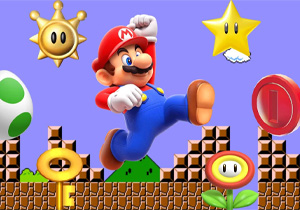
How Mario Bros Became a Gamechanger: The Evolution of a Gaming Icon
11 May 2024
The Origins of Mario: A Jumpman Rises Donkey Kong (1981) The journey of Mario began with the 1981 arcade game "Donkey Kong." Designed by Shigeru Miyamoto, this groundbreaking title introduced players to Jumpman, a carpenter on a mission to rescue his girlfriend Pauline from the clutches of the giant ape, Donkey Kong. The game’s innovative platforming mechanics and compelling storyline set it apart from other arcade games of the time, establishing a new genre of action-platformers. read full article
The Evolution of Fighting Games: From Arcade Classics to Modern Esports
25 April 2024
Fighting games have long been a cornerstone of the video game industry, captivating players with their fast-paced action, strategic depth, and competitive spirit. From the golden age of arcade gaming to the rise of modern esports, fighting games have undergone a significant evolution. This article explores the journey of fighting games, highlighting key milestones, iconic titles, and their impact on the gaming community. read full article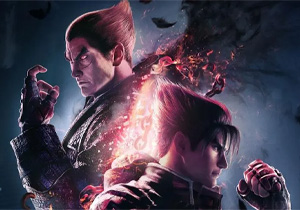
Tekken: The Evolution of a Fighting Game Titan
3 May 2024
The Birth of Tekken: A New Challenger Released in 1994 by Namco, "Tekken" entered the scene during the golden age of arcade fighting games. At a time when "Street Fighter" and "Mortal Kombat" were dominating arcades, "Tekken" brought a fresh perspective with its fully 3D graphics and innovative gameplay mechanics. Utilizing Namco's System 11 hardware, the game featured polygonal characters and environments, allowing for a level of visual and tactical depth that was revolutionary at the time. read full article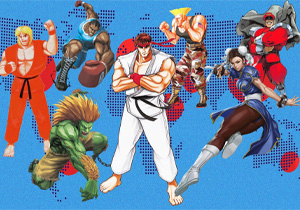
How Street Fighter Changed the Fighting Game Genre
28 April 2024
When "Street Fighter" debuted in 1987, the concept of a fighting game was still in its infancy. Developed by Capcom, the original "Street Fighter" introduced players to Ryu and Ken, martial artists who would become iconic figures in gaming. The game featured a unique control scheme with pressure-sensitive buttons that determined the strength of attacks. While it wasn't a commercial hit, it laid the groundwork for what was to come. read full article