
How Mario Bros Became a Gamechanger: The Evolution of a Gaming Icon
 The Origins of Mario: A Jumpman Rises
Donkey Kong (1981)
The journey of Mario began with the 1981 arcade game "Donkey Kong." Designed by Shigeru Miyamoto, this groundbreaking title introduced players to Jumpman, a carpenter on a mission to rescue his girlfriend Pauline from the clutches of the giant ape, Donkey Kong. The game’s innovative platforming mechanics and compelling storyline set it apart from other arcade games of the time, establishing a new genre of action-platformers.
Mario Bros (1983)
In 1983, Nintendo released "Mario Bros," the first game to feature Mario by name. This arcade classic, co-developed by Shigeru Miyamoto and Gunpei Yokoi, introduced Mario and his brother Luigi as plumbers fighting creatures emerging from pipes. The cooperative gameplay, where two players could work together (or compete) to clear stages, added a new dimension to the platforming genre.
Super Mario Bros: A Revolutionary Leap
The NES Era
The true turning point came in 1985 with the release of "Super Mario Bros" for the Nintendo Entertainment System (NES). This game was a quantum leap forward in terms of design, scope, and impact. Here’s why:
Innovative Game Design
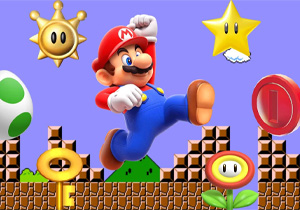
"Super Mario Bros" featured expansive levels filled with secrets, power-ups, and diverse enemies. The game introduced the concept of power-ups like the Super Mushroom, which made Mario grow, and the Fire Flower, which gave him the ability to throw fireballs. These mechanics added layers of strategy and excitement, encouraging players to explore every corner of the Mushroom Kingdom.
Memorable Characters and Story
For the first time, players were introduced to the vibrant world of the Mushroom Kingdom, ruled by Princess Peach and threatened by the villainous Bowser. The simple yet engaging storyline of Mario’s quest to rescue the princess resonated with players of all ages, laying the groundwork for the series’ enduring appeal.
Iconic Soundtrack
The game’s music, composed by Koji Kondo, became instantly recognizable. The catchy tunes of the overworld, underground, and castle levels not only enhanced the gaming experience but also became a cultural phenomenon, with the main theme being one of the most recognizable pieces of video game music ever composed.
The Evolution of Mario: Innovation Across Generations
Super Mario Bros 2 and 3
Following the success of "Super Mario Bros," Nintendo released sequels that continued to push the envelope. "Super Mario Bros 2" (1988) introduced new gameplay mechanics, such as the ability to pick up and throw objects, and featured unique playable characters with different abilities. "Super Mario Bros 3" (1988 in Japan, 1990 in North America) further expanded the series with new power-ups, like the Super Leaf and Tanooki Suit, and an overworld map that added strategic elements to level progression.
Super Mario World (1990)
With the launch of the Super Nintendo Entertainment System (SNES), "Super Mario World" took the series to new heights. Introducing Yoshi, Mario’s dinosaur companion, and a vast, interconnected world with branching paths, the game showcased the power of the SNES and the creativity of Nintendo’s designers. Its intricate level design, hidden exits, and vibrant graphics set a new standard for platformers.
3D Revolution: Super Mario 64 (1996)
The release of "Super Mario 64" for the Nintendo 64 marked another monumental leap for the series. As one of the first successful 3D platformers, it revolutionized the genre with its open-ended level design, analog control scheme, and dynamic camera system. Players could explore Princess Peach’s castle and its many worlds with unprecedented freedom, making "Super Mario 64" a landmark title in gaming history.
Mario’s Impact Beyond Games
Cultural Icon
Mario transcended the gaming world to become a global cultural icon. His image appeared on a wide range of merchandise, from toys and clothing to breakfast cereals. Mario’s influence extended to television with animated series and movies, further cementing his status as a beloved character.
Innovation and Influence
The "Mario" series has consistently pushed the boundaries of game design and technology. Games like "Super Mario Galaxy" (2007) introduced gravity-defying platforming and imaginative level design, while "Super Mario Odyssey" (2017) showcased the Nintendo Switch’s capabilities with its vast, open-world environments and innovative capture mechanics.
Mario in Competitive Gaming
The "Mario" franchise has also made significant contributions to competitive gaming. Titles like "Super Mario Kart" and the "Super Smash Bros" series have become staples in the esports scene, with dedicated communities and high-stakes tournaments showcasing the depth and skill involved in these games.
The Enduring Legacy of Mario
Continued Innovation
Even after nearly four decades, Mario continues to innovate and delight players. The "Super Mario Maker" series empowers players to create and share their own levels, fostering creativity and community engagement. The recent "Super Mario 3D All-Stars" collection brought classic titles to new audiences, while "Super Mario Odyssey" pushed the boundaries of what a modern platformer can be.
Future Prospects
The future looks bright for Mario, with new titles and collaborations on the horizon. Nintendo’s commitment to quality and innovation ensures that Mario will remain a central figure in the gaming industry, inspiring future generations of players and developers alike.
Conclusion
From his humble beginnings as a pixelated hero in "Donkey Kong" to his status as a global icon, Mario has become synonymous with gaming excellence. The "Mario Bros" franchise has continually set new standards for game design, storytelling, and innovation, shaping the industry and captivating players for generations. Here at Jaqly.com, we celebrate the rich history and enduring legacy of Mario. As we look forward to the future, one thing is certain: Mario will continue to be a gamechanger.
More Articles
Tekken: The Evolution of a Fighting Game Titan
3 May 2024
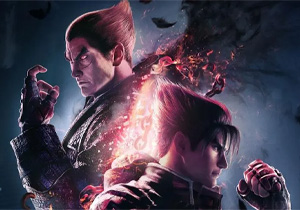
The Birth of Tekken: A New Challenger Released in 1994 by Namco, "Tekken" entered the scene during the golden age of arcade fighting games. At a time when "Street Fighter" and "Mortal Kombat" were dominating arcades, "Tekken" brought a fresh perspective with its fully 3D graphics and innovative gameplay mechanics. Utilizing Namco's System 11 hardware, the game featured polygonal characters and environments, allowing for a level of visual and tactical depth that was revolutionary at the time. read full article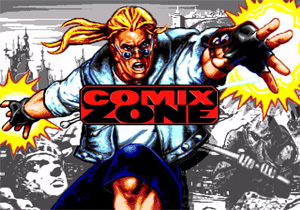
Exploring the Digital Ink: The Legacy of Comics Zone
19 May 2024
What is Comics Zone? Comics Zone burst onto the scene in 1995, developed by Sega Technical Institute for the Sega Genesis console. What set Comics Zone apart from other games of its time was its unique concept: players controlled a comic book artist named Sketch Turner, who is transported into his own comic book and must fight his way through its pages to escape. This meta-narrative was groundbreaking at the time, blurring the lines between reality and fiction in a way that had never been done before in a video game. read full article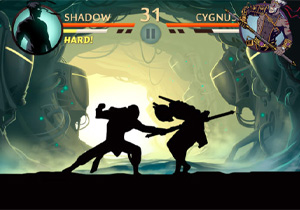
Unveiling the Shadows: Exploring the World of Shadow Fighter
15 May 2024
"Shadow Fighter" burst onto the gaming scene as a breath of fresh air in the fighting game genre. Developed by a passionate team of martial arts enthusiasts and gaming veterans, the game drew inspiration from classic martial arts films, anime, and traditional fighting games. With a focus on fast-paced action, fluid combat mechanics, and a dark, atmospheric setting, "Shadow Fighter" quickly garnered attention and acclaim from players and critics alike. read full article
Cybersport in Fighting Games: A Thrilling Arena of Competitive Combat
9 May 2024
The competitive fighting game scene began to take shape in the early 1990s with the release of seminal titles like "Street Fighter II" (1991) and "Mortal Kombat" (1992). These games introduced players to the concept of direct, player-versus-player combat, requiring not just quick reflexes but also deep strategic thinking. Arcades played a crucial role in the early days of competitive fighting games. read full article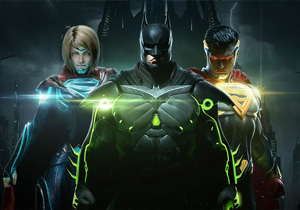
Injustice: A Clash of Heroes - Exploring the Epic Battles of the DC Universe
21 May 2024
The Dawn of Injustice "Injustice: Gods Among Us" burst onto the gaming scene in 2013, developed by NetherRealm Studios, the creators of the legendary "Mortal Kombat" series. Inspired by the rich lore of DC Comics, "Injustice" brought together iconic characters like Batman, Superman, Wonder Woman, and the Joker in a sprawling narrative that spanned dimensions and timelines. The storyline of "Injustice" is as ambitious as it is compelling. read full article