
Exploring the Digital Ink: The Legacy of Comics Zone
 What is Comics Zone?
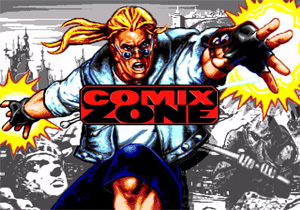
Comics Zone burst onto the scene in 1995, developed by Sega Technical Institute for the Sega Genesis console. What set Comics Zone apart from other games of its time was its unique concept: players controlled a comic book artist named Sketch Turner, who is transported into his own comic book and must fight his way through its pages to escape. This meta-narrative was groundbreaking at the time, blurring the lines between reality and fiction in a way that had never been done before in a video game.
One of the most striking features of Comics Zone was its art style. The game's graphics were designed to mimic the look and feel of a comic book, with vibrant colors, dynamic panel layouts, and expressive character designs. Each level was presented as a page from Sketch's comic, complete with speech bubbles, sound effects, and a distinct sense of visual storytelling.
Gameplay Mechanics and Features
Comics Zone was a side-scrolling beat 'em up game, with Sketch using his fists, feet, and various objects in the environment to take down enemies. What set the game apart was its innovative use of the comic book format: players could tear through the panels of the comic to reveal hidden paths, items, and enemies. This added a layer of depth and strategy to the gameplay, as players had to carefully navigate each page to progress.
Another standout feature of Comics Zone was its interactive environments. Players could interact with objects in the environment, such as throwing barrels or using signs as weapons. This added a sense of immersion and interactivity to the game, making each level feel alive and dynamic.
Comics Zone featured multiple endings, depending on the choices players made throughout the game. This added a sense of replayability, as players could explore different paths and outcomes based on their decisions. It also added to the game's narrative depth, as players were encouraged to think about the consequences of their actions.
Legacy of Comics Zone
Despite its critical acclaim and innovative gameplay, Comics Zone was not a commercial success upon its release. However, over the years, it has gained a cult following among gamers and critics alike. Its unique concept, striking visuals, and challenging gameplay have earned it a place as one of the best-remembered games of the 16-bit era.
Comics Zone's innovative use of the comic book format has had a lasting impact on the gaming industry. It paved the way for other games to experiment with narrative techniques and visual styles, inspiring a new generation of developers to think outside the box when it comes to storytelling in games.
In recent years, there have been efforts to bring Comics Zone to a new audience. Remakes and remasters of the game have been released on modern platforms, allowing a new generation of gamers to experience its unique blend of action, storytelling, and visual flair.
Conclusion
Comics Zone remains a shining example of innovation and creativity in the world of gaming. Its unique concept, striking visuals, and challenging gameplay have earned it a place as a classic among gamers. Whether you're a fan of beat 'em up games, comic books, or just looking for a unique gaming experience, Comics Zone is a must-play.
More Articles
How Mario Bros Became a Gamechanger: The Evolution of a Gaming Icon
11 May 2024
The Origins of Mario: A Jumpman Rises Donkey Kong (1981) The journey of Mario began with the 1981 arcade game "Donkey Kong." Designed by Shigeru Miyamoto, this groundbreaking title introduced players to Jumpman, a carpenter on a mission to rescue his girlfriend Pauline from the clutches of the giant ape, Donkey Kong. The game’s innovative platforming mechanics and compelling storyline set it apart from other arcade games of the time, establishing a new genre of action-platformers. read full article
Injustice: A Clash of Heroes - Exploring the Epic Battles of the DC Universe
21 May 2024
The Dawn of Injustice "Injustice: Gods Among Us" burst onto the gaming scene in 2013, developed by NetherRealm Studios, the creators of the legendary "Mortal Kombat" series. Inspired by the rich lore of DC Comics, "Injustice" brought together iconic characters like Batman, Superman, Wonder Woman, and the Joker in a sprawling narrative that spanned dimensions and timelines. The storyline of "Injustice" is as ambitious as it is compelling. read full article
Slicing Through Fun: The Juicy World of Fruit Ninja
17 May 2024
Origins of Fruit Ninja "Fruit Ninja" was born from the creative minds at Halfbrick Studios, an Australian game development company known for its quirky and engaging titles. Released in 2010 for mobile platforms, "Fruit Ninja" was an instant hit, captivating players with its simple yet addictive gameplay. Inspired by classic arcade games and the universal joy of slicing fruit, "Fruit Ninja" became an iconic staple in the world of mobile gaming. read full article
Why JAQLY Went Silent: The Story Behind the Creation of FOGYX
20 October 2024
If you’ve noticed a recent lack of updates from JAQLY, you’re not alone. Our usual stream of gaming news and reviews has been quieter than usual, and there's a good reason: our developers were fully immersed in creating FOGYX! That’s right, the team has been hard at work, focused entirely on delivering a groundbreaking experience in free online games. But what exactly is FOGYX? The name itself is an abbreviation: F stands for Free, O for Online, G for Games, while YX represents the idea of dynamic coordinates—a nod to the expansive worlds and endless possibilities the game offers. read full articleThe Rise of Mobile and Browser Games: A Guide for Casual Gamers
5 January 2026
Mobile and browser-based games have transformed how people play, offering a vast array of experiences that fit into even the busiest schedules. Whether you have a few spare minutes or want to unwind with friends, these accessible games cater to all types of players. In this guide, we explore the appeal of mobile and browser games, highlight popular genres, and discuss tips for finding your next favorite title. read full article